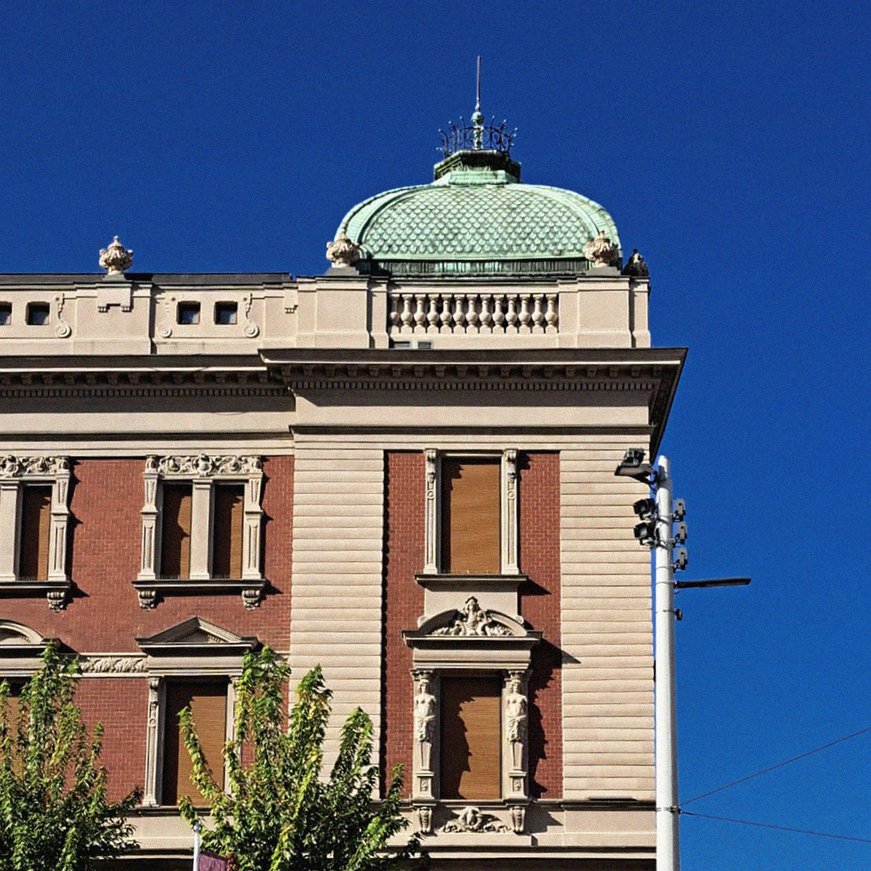
When exploring the cultural side of Serbia’s capital, visiting Belgrade’s many museums is one of the best ways to understand the country’s history, art, science, and identity. Similar to many countries around the world, Serbia’s museum sector experienced significant development in the decades following the Second World War. Today, Belgrade offers a remarkably diverse museum scene, housed in everything from architectural masterpieces and historic villas to former industrial buildings and modernist landmarks.
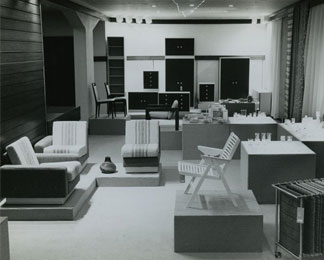
The collections found in museums in Belgrade cover an impressive range of topics, from Neolithic artifacts and contemporary art to vintage automobiles, early computers, military history, and the legacies of some of Serbia’s most influential scientists, writers, and artists.
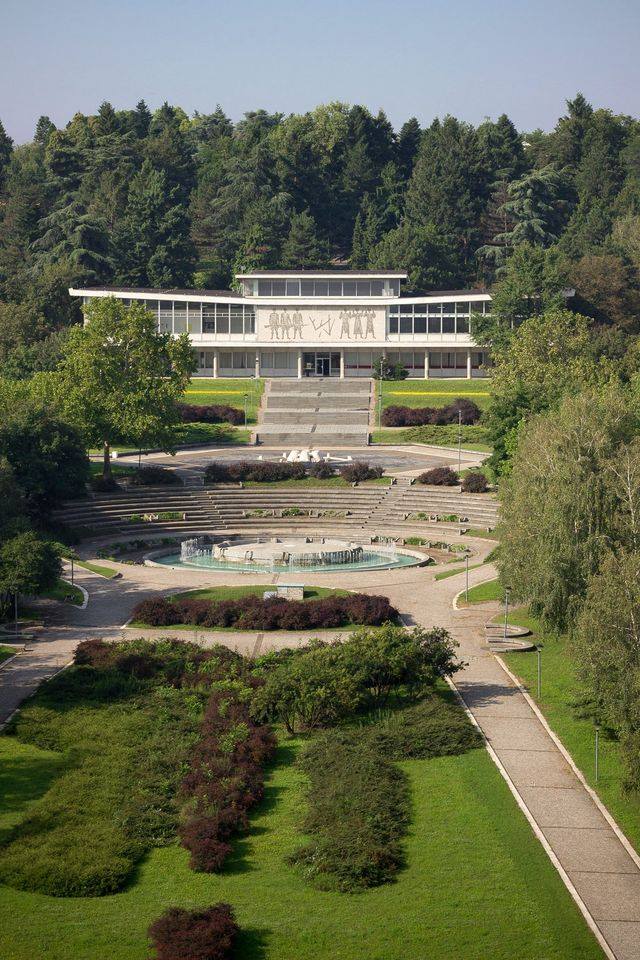
One of the city’s most important cultural institutions is the Museum of Yugoslavia. Located in a representative post-war modernist complex surrounded by beautiful greenery, the museum preserves Tito’s private belongings, historical artifacts, and extensive documentation related to the history and culture of Yugoslavia. Visitors can also explore Tito’s mausoleum, browse engaging temporary exhibitions, relax in the museum café, and visit the museum shop, which offers unique souvenirs inspired by Yugoslav design and culture. Its peaceful setting outside the city center makes it a particularly pleasant place to spend an afternoon.
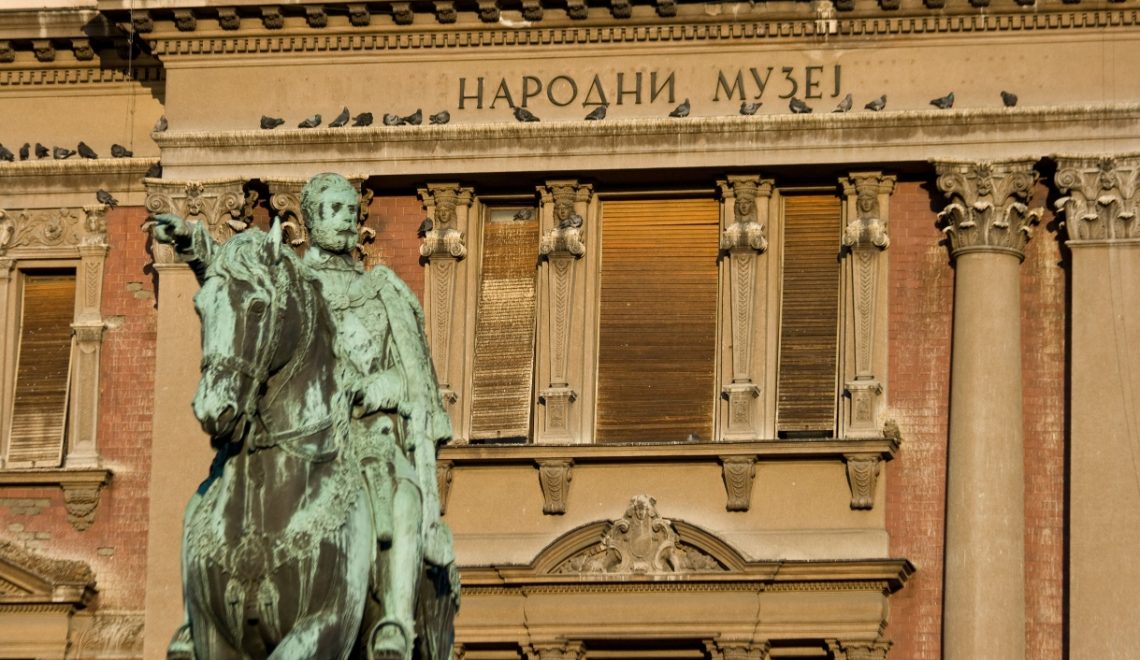
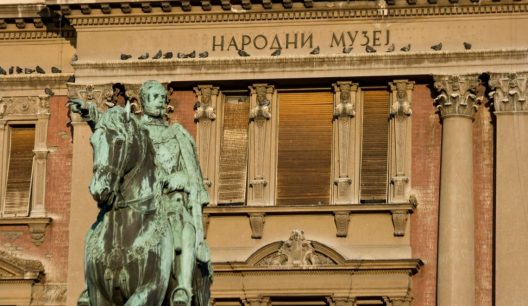
Another must-visit destination among museums in Belgrade is the National Museum of Serbia, located on Republic Square in the heart of the city. Home to one of the country’s most valuable collections, the museum showcases everything from prehistoric artifacts and medieval treasures to works by Picasso, Rembrandt, and other world-renowned artists. I have written about this museum in a separate article, where you can find more detailed information.
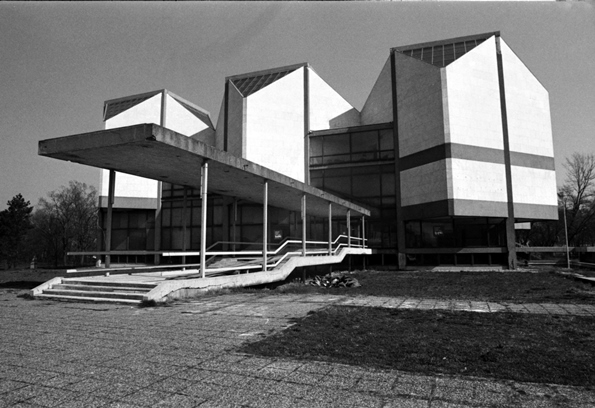
Art enthusiasts should not miss the Museum of Contemporary Art Belgrade (MoCAB), another architectural masterpiece from the post-war period. Situated in the beautiful parkland at the confluence of the Sava and Danube rivers, the museum offers a comprehensive overview of modern and contemporary art from Yugoslavia and Serbia, alongside a dynamic program of temporary exhibitions.
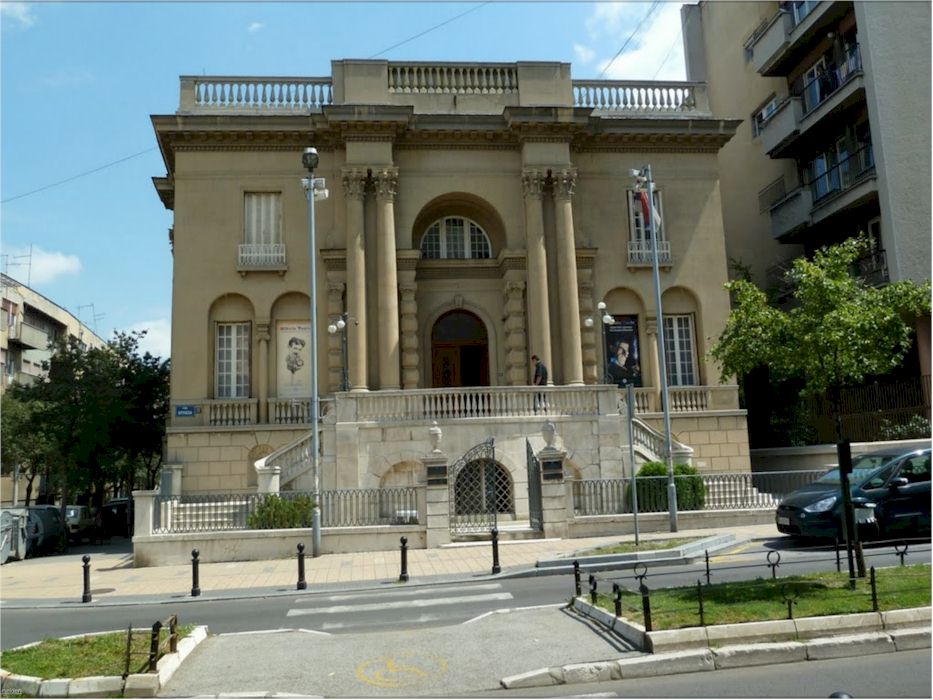
Among the most popular museums in Belgrade is the Nikola Tesla Museum. Housed in an elegant villa in the Vračar district, the museum preserves Tesla’s personal belongings, original documents, and working models of his inventions. Knowledgeable guides help visitors understand the significance of Tesla’s groundbreaking scientific achievements through engaging demonstrations and presentations. If you are unfamiliar with Tesla’s work, joining a guided tour is highly recommended. According to current plans, the museum is expected to relocate in the future to the former Main Railway Station building in the Sava Amphitheater area.
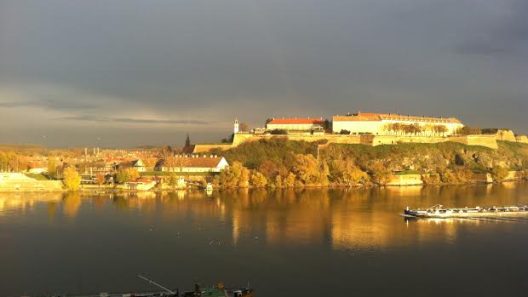
History lovers should also visit the Military Museum, located within Belgrade Fortress. The museum presents a fascinating collection of weapons, military equipment, and artifacts that illustrate the development of warfare throughout different historical periods.
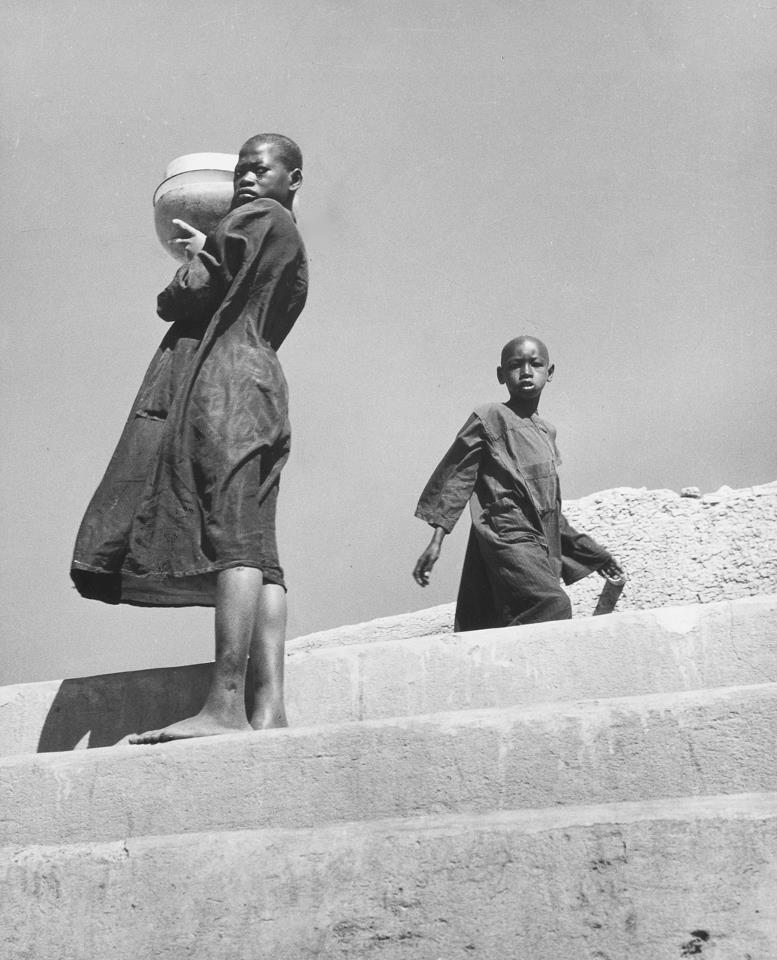
Beyond these major institutions, there are many other outstanding museums in Belgrade worth discovering. Highlights include the Museum of Science and Technology, a family-friendly museum ideal for visitors with children; the Museum of Applied Art, known for its innovative temporary exhibitions; the Ethnographic Museum; the private Zepter Museum; the Museum of Vuk and Dositej, which offers insight into Serbian culture and education; the Museum of African Art; the historic House of Jevrem Grujić; the Jewish Historical Museum; the Banjica Concentration Camp Museum; the Museum of Serbian History; the Petar Lubarda Memorial Collection; the Museum of Automobiles; the Aeronautical Museum; the Jovan Cvijić Museum; and the Museum of Ivo Andrić.
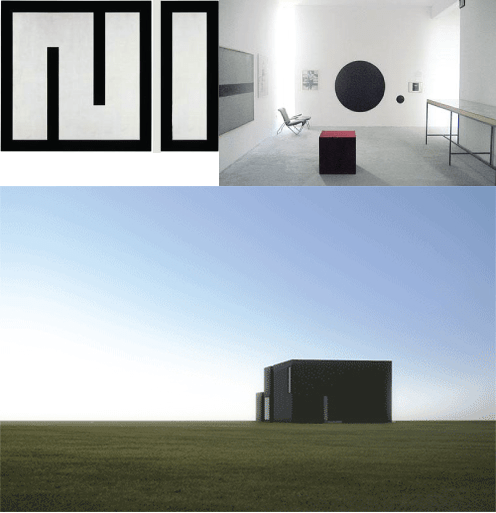
For those willing to venture slightly beyond the city, the unique Macura Museum offers an exceptional collection of contemporary art and design in an inspiring architectural setting.
One of the great advantages of visiting museums in Belgrade is affordability. Admission tickets typically range between €3 and €5, making them considerably less expensive than museum tickets in many other European cities.
If you are passionate about art, history, science, or culture, consider choosing your top three museums, taking free public transport or renting a bicycle, and spending a day exploring Belgrade’s rich museum landscape.
If you would like to book a tour, check out our Belgrade tours.
For more information on creative team building, visit our page Belgrade Creative Teambuilding.

Writer. Blogger. Traveler. Researcher. Electronic Music Lover.