



Photos: Jovana Marković
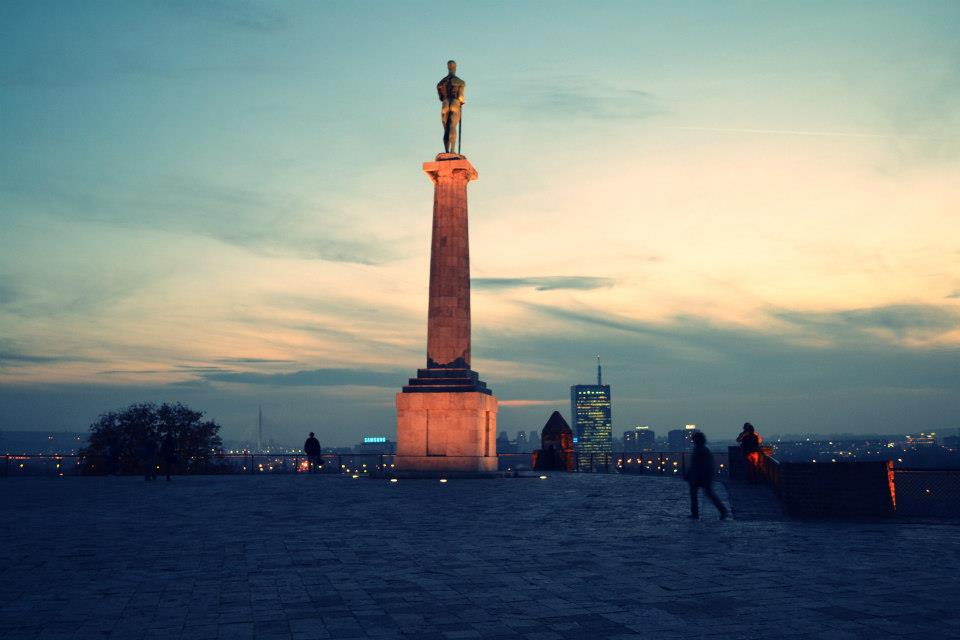
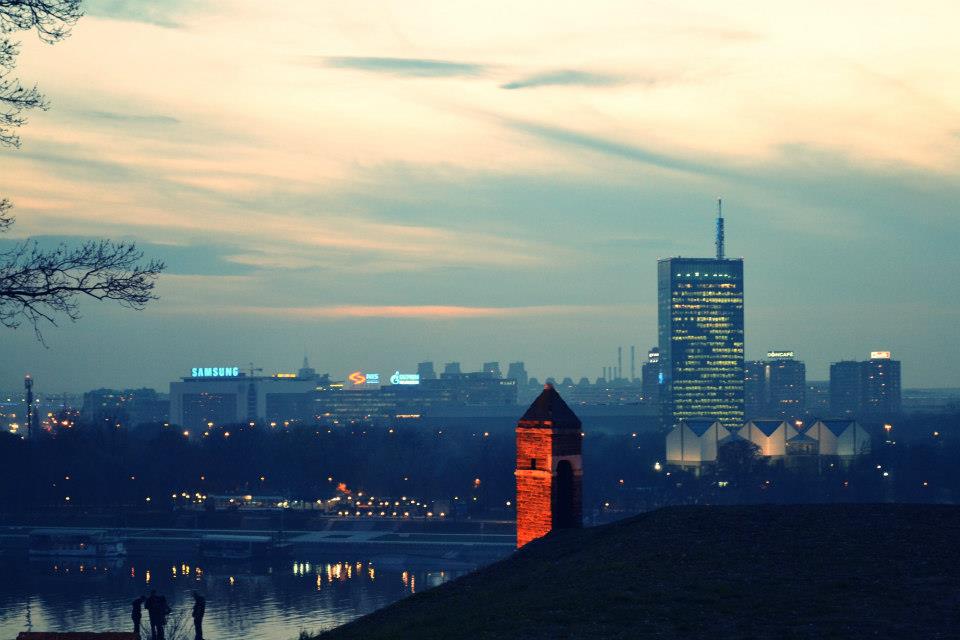
Belgrade Fortress (Beogradska tvrđava) represents an old citadel, which consists of the Upper and the Lower Town and “Kalemegdan” park (large and little “Kalemegdan”). Belgrade fortress is located on the confluence of the two rivers Sava and Danube.
Belgrade fortress stands on the top of 125.5 meters high ending ridge of “Šumadija” geological bar. The cliff-like ridge overlooks the Great War Island (Veliko ratno ostrvo) and the confluence, and makes one of the most beautiful natural sights in Belgrade. It borders the neighborhoods of the “Dorćol” (north and north-east), “Stari grad” (east) and “Kosančićev venac” and “Savamala” on the south.
The present name of the “Kalemegdan” derives from two Turkish words:
kale (fortress) and meydan (battlefield), which literary means “Battlefield fortress”.
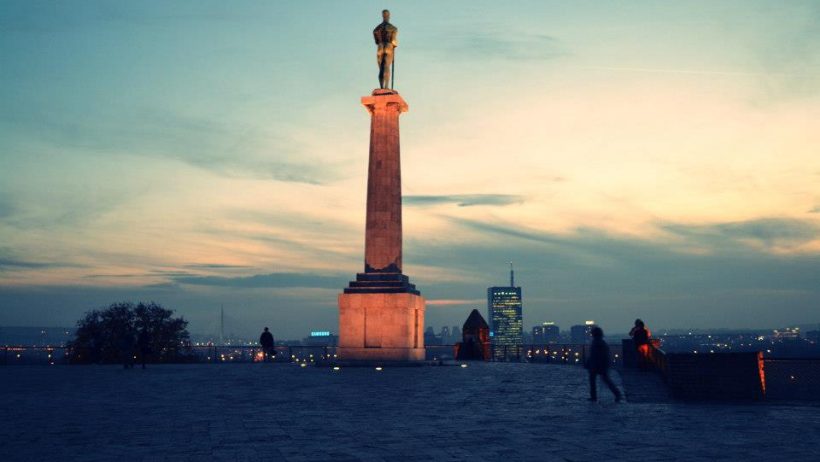
The most visited tourist attraction of the Belgrade fortress in the statue of the “Victor” (“Pobednik”). It was erected in 1928 to commemorate the Kingdom of Serbia’s war victories over the Ottoman Empire in the First Balkan War, and Austria-Hungary empire in the World War I. It is one of the most famous works of the well-known Yugoslav sculptor Ivan Meštrović.

Short history of the Belgrade fortress
Belgrade Fortress is the core and the oldest section of the urban area of Belgrade and for centuries the city population was concentrated only within the walls of the fortress. First mention of the city is when it was founded in the 3rd century BC as “Singidunum” by the Celtic tribe of Scordisci who had defeated Thracian and Dacian tribes, that previously lived at the fort and around. The city-fortress was later conquered by the Romans, became known as “Singidunum” and became a part of “the military frontier”, where the Roman Empire bordered “barbaric Central Europe”. Singidunum was defended by the Roman legion “IV Flaviae” which built a fortified camp on a hill at the confluence of the rivers. In the period between 378 and 441 AD the Roman camp was being repeatedly destroyed in the invasions by the Goths and the Huns. The legend says that Attila’s grave lies on the confluence of the Sava and the Danube (under the Fortress). In 476 Belgrade again became the borderline between the empires: Western Roman Empire and Eastern Roman Empire (Byzantine Empire), and the Slav-Avar State in the North.

The Byzantine Emperor Justinian I rebuilt the Fortress around 535 AD. In the following centuries a fortress suffered continuous destruction under the Avar sieges. The Slavs and Avars had their “state union” north of Belgrade with the Serbs and other Slavic tribes finally settling in the region of Belgrade as well as the regions west and south of Belgrade in the beginning of the 7th century. The name Belgrade (Beograd), which means a “white town” or a “white fortress”, was first mentioned in 878 AD by Bulgarians. The Fortress kept changing its masters: Bulgaria during three centuries, and then again the Byzantines and again Bulgarians. The fortress remained a Byzantine stronghold until the 12th century when it fell in the hands of a newly emerging Serbian state. It became a border city of the Serbian Kingdom with Hungary. The Hungarian king Béla I gave the fortress to Serbia in 11th century as a wedding gift (his son married Serbian princess Jelena), but it remained effectively part of Hungary, except for the period 1282-1319. After the Serbian state collapsed after the Battle of Kosovo, Belgrade was chosen in 1404 as the capital of the principality of Despot Stefan Lazarević. Major work was done to the ramparts which were encircling a big thriving town. The lower town at the banks of the Danube was the main urban center with a new build Orthodox cathedral. The upper town with its castle was defending the city from inland. Belgrade remained in Serbian hands for almost a century. After the Despot’s death in 1427 it had to be returned to Hungary. An attempt of Sultan Mehmed II to conquer the fortress was prevented by Janos Hunyadi in 1456.
In 1521 (132 years after the Battle of Kosovo) the fortress, like most parts of the Serbian state, was conquered by the Turks and remained (with short periods of the Austrian and Serbian occupation), under the rule of the Ottoman Empire until the year 1867 when the Turks withdrew from Belgrade and Serbia. During the period of short Austrian rule (1718–1738) the fortress was largely rebuilt and modernized. It witnessed the two Serbian Uprisings. The fortress suffered further damages during the First and the Second World Wars.
Writer. Blogger. Traveler. Researcher. Electronic Music Lover.
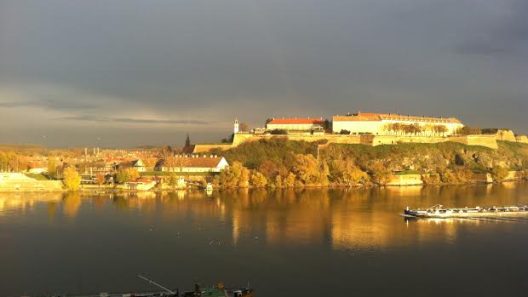
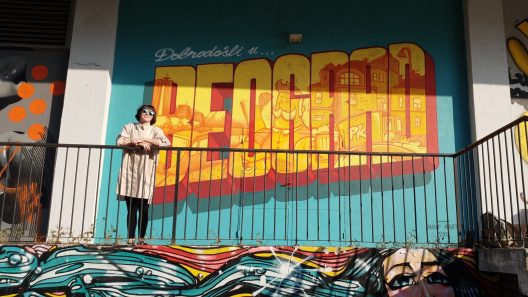



Belgrade Fortress really is amazing monument of “time”, and it gives a great value to Belgrade city and it’s downtown. What’s cool is that such an amazing park, Kalemegdan, and Belgrade fortress which stand in front of it, is reachable withing few minutes of walk from center of Belgrade and Downtown Central Hostel too.