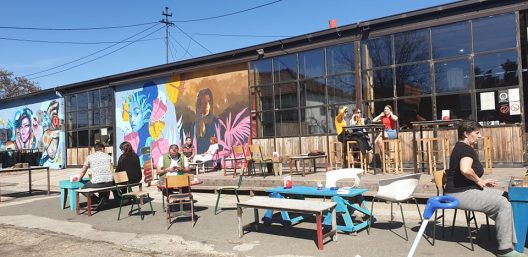
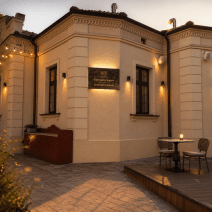
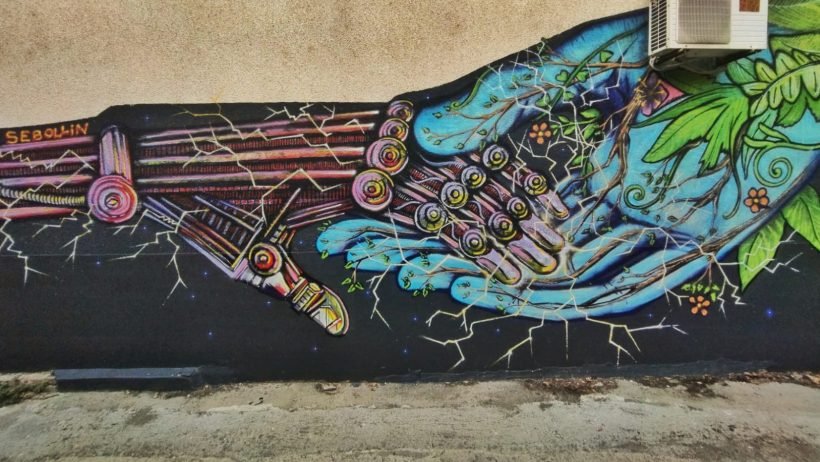
As Belgrade’s streets continue to evolve into open-air galleries, public art remains one of the most powerful ways the city tells its story. For the Dorćol open-air street art museum (Skender Begova 20 St.), the arrival of Sebollin marks an important moment: the introduction of the project’s first international artist.
Born in Patagonia, Argentina, and trained at the National University of La Plata, Sebollin’s work moves fluidly between nature, symbolism, and social reflection. His large-scale murals—often built around expressive hands and organic forms—invite passersby to pause, observe, and engage with ideas that go beyond aesthetics. During his time in Belgrade, the city’s layered history, visual contrasts, and traces of conflict became part of the dialogue shaping his latest mural.
In this interview, Sebollin reflects on public art as a shared language, the role of street art in contemporary cities, and how nature continues to inform his vision for a more conscious future.

1. Hello Sebollin, could you please introduce yourself to our readers?
I was born in Patagonia, in southern Argentina, and I graduated from the Faculty of Arts at the National University of La Plata.
2. Can you tell us more about your public art and the themes you explore on walls around the world?
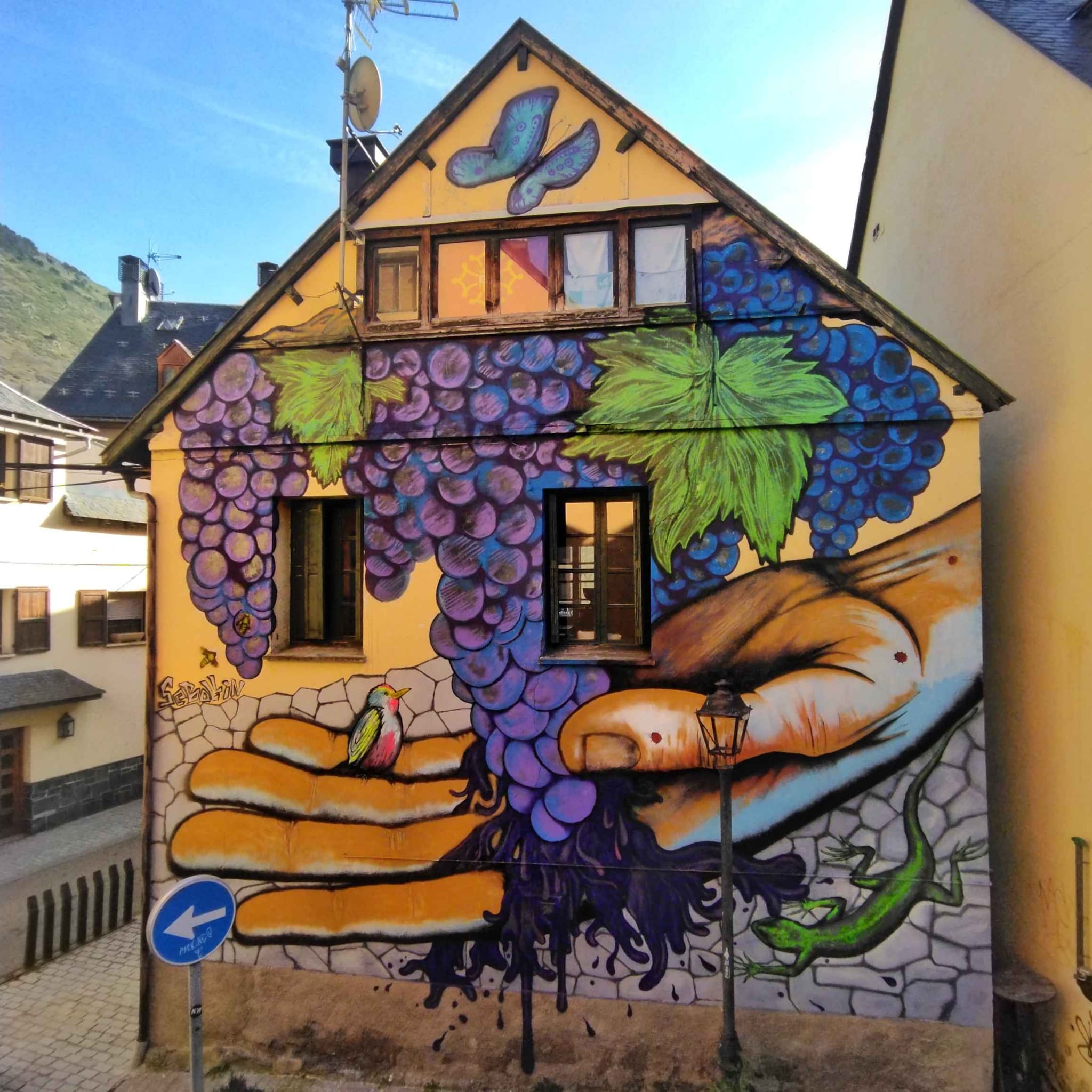
I compose designs in which hands are the figurative base. I also include representations of nature, such as animals, insects, flowering plants, and details that invite contemplation.
The social aspect is expressed through cultural symbols or allegories that attempt to reflect on certain themes, which, in each place, can connect with the people who pass by while the work is being created.
3. As a street artist, how do you see the role of public art in shaping the future of cities—especially in the context of politics, consumerism, and the commodification of art?
Personally, I see myself as a spectator of the actions of others, always analyzing and learning from what is happening or what has already happened. I enjoy public expressions where messages are in direct dialogue with spectators.
I have a critical sense, but without judgment—only reasoning. I believe every human act is an instinctive expression intended to have an impact on others; in other words, art is meant to be shared.
I can’t give a clear answer about politics and commercialization. I am still beginning to understand the past to know what is happening in the present. I can’t identify where the realities we experience today might lead. However, I do know that art serves to promote values such as respect for life and actions that support coexistence within society, while also considering the ecosystem.
Art is a tool that gives us the strength to confront the injustice and inequality of opportunity that currently exist in the world. It is obviously a huge challenge, but it’s something you must keep in mind when deciding what to express and how to express it. Art is the medium through which ideas flow.
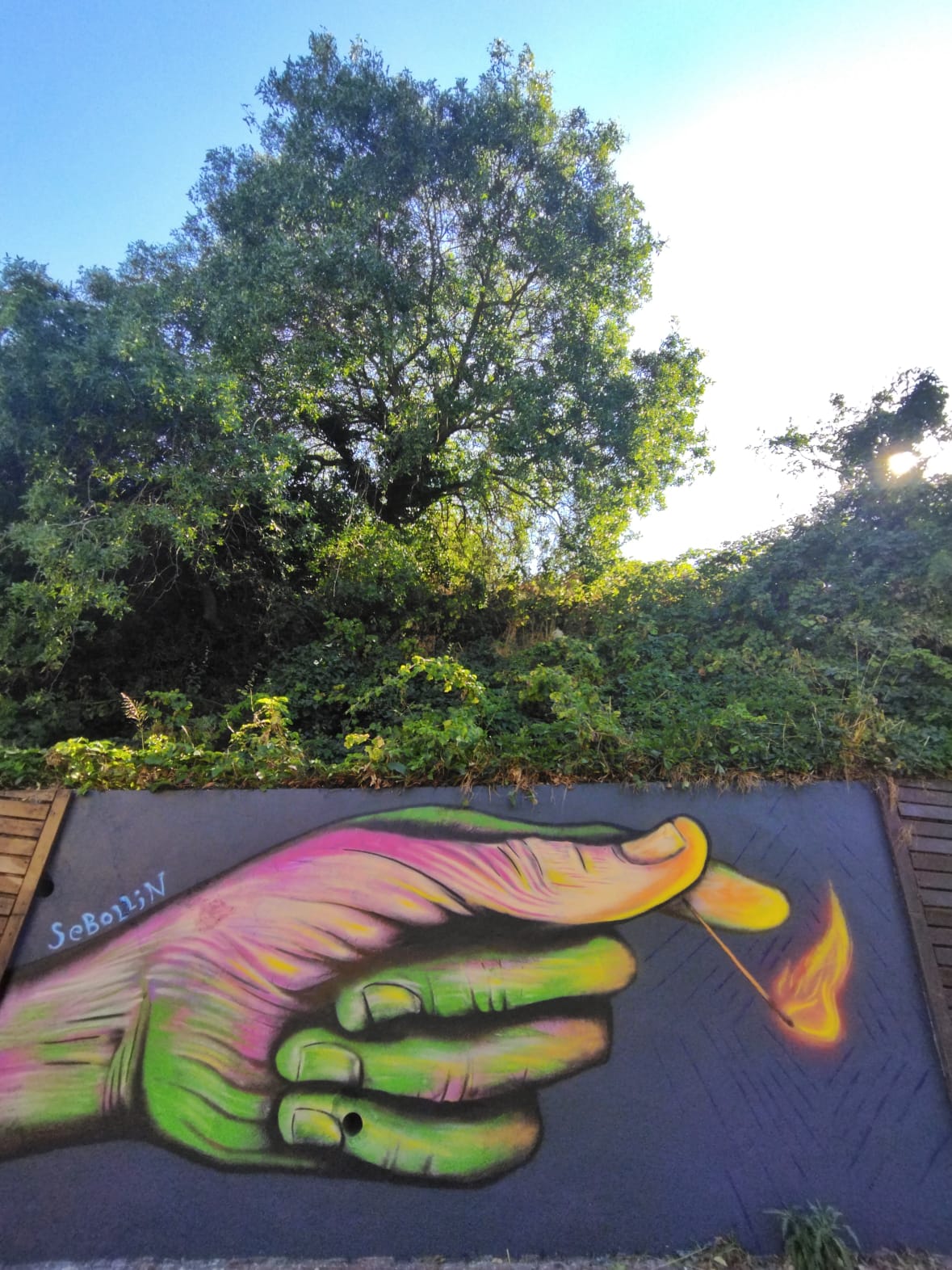
4. Do you believe street art is still the voice of the people?
If art is a way for the voices of people to flow, then yes. There are many disciplines whose actions highlight human qualities and help us reach something sublime and surprising as a species. Art is everywhere—it’s connected to fields such as medicine and sports, for example.
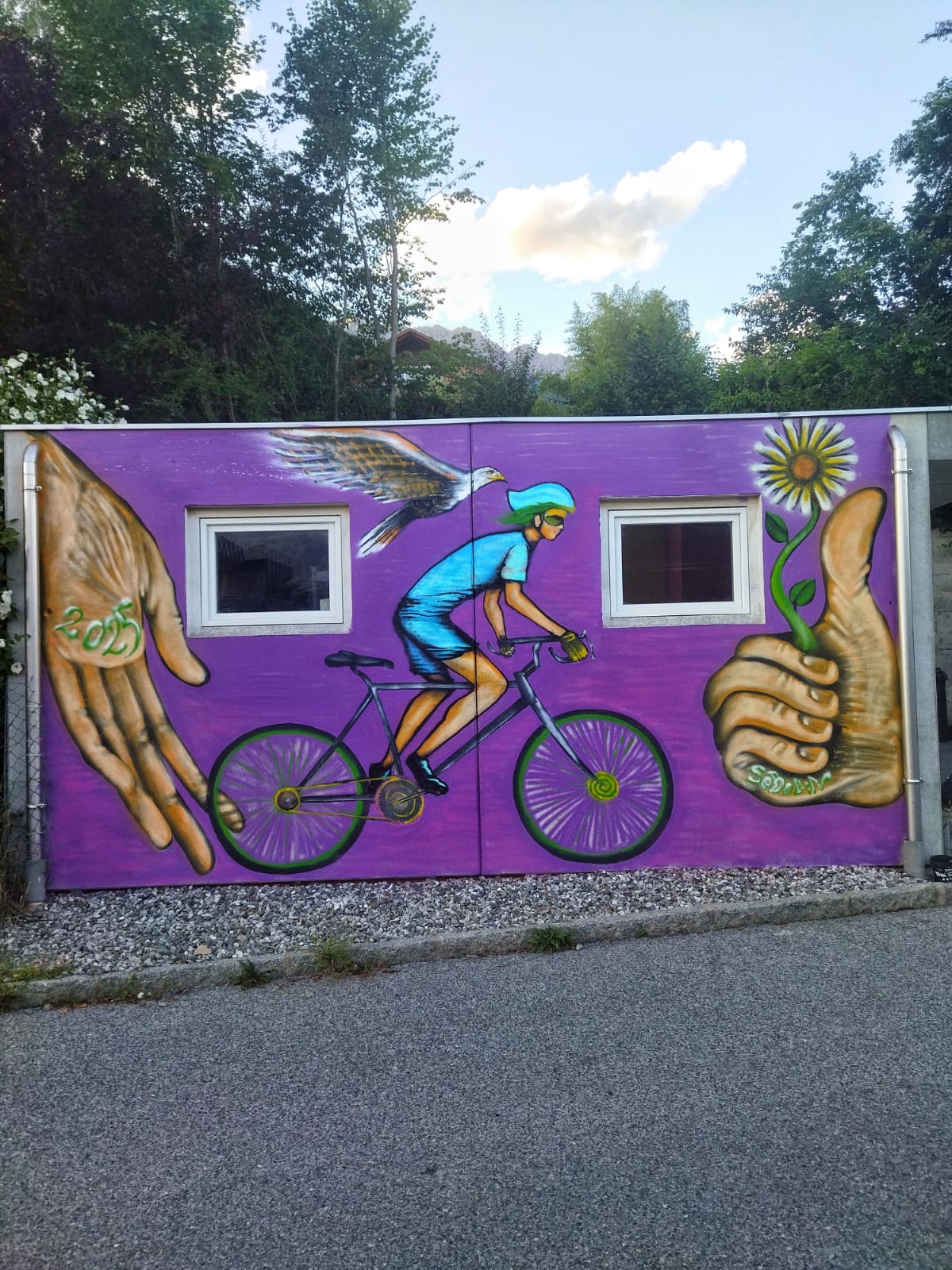
5. Is there a particular project from your career that you would like to highlight?
I have many memories connected to mural painting that allowed me to collaborate with organizations involved in social and humanitarian aid projects. We organized workshops where people painted murals together.
It’s very meaningful to be part of a group that overcomes insecurities and captures memories of how something was achieved collectively. For some participants, it was their first time using paints and materials such as brushes, rollers, and aerosols.
Skills are discovered, experiences grow, and those moments are recorded forever. It’s a way to inspire and promote healthy practices.
6. As our first international artist in the Dorćol open-air street art museum, could you share more about the theme of the large mural you created here?
The theme of the mural is that the technology created by humanity must learn from nature, which has so much to teach us. A very clear example is the ability to create life instead of weapons of war.
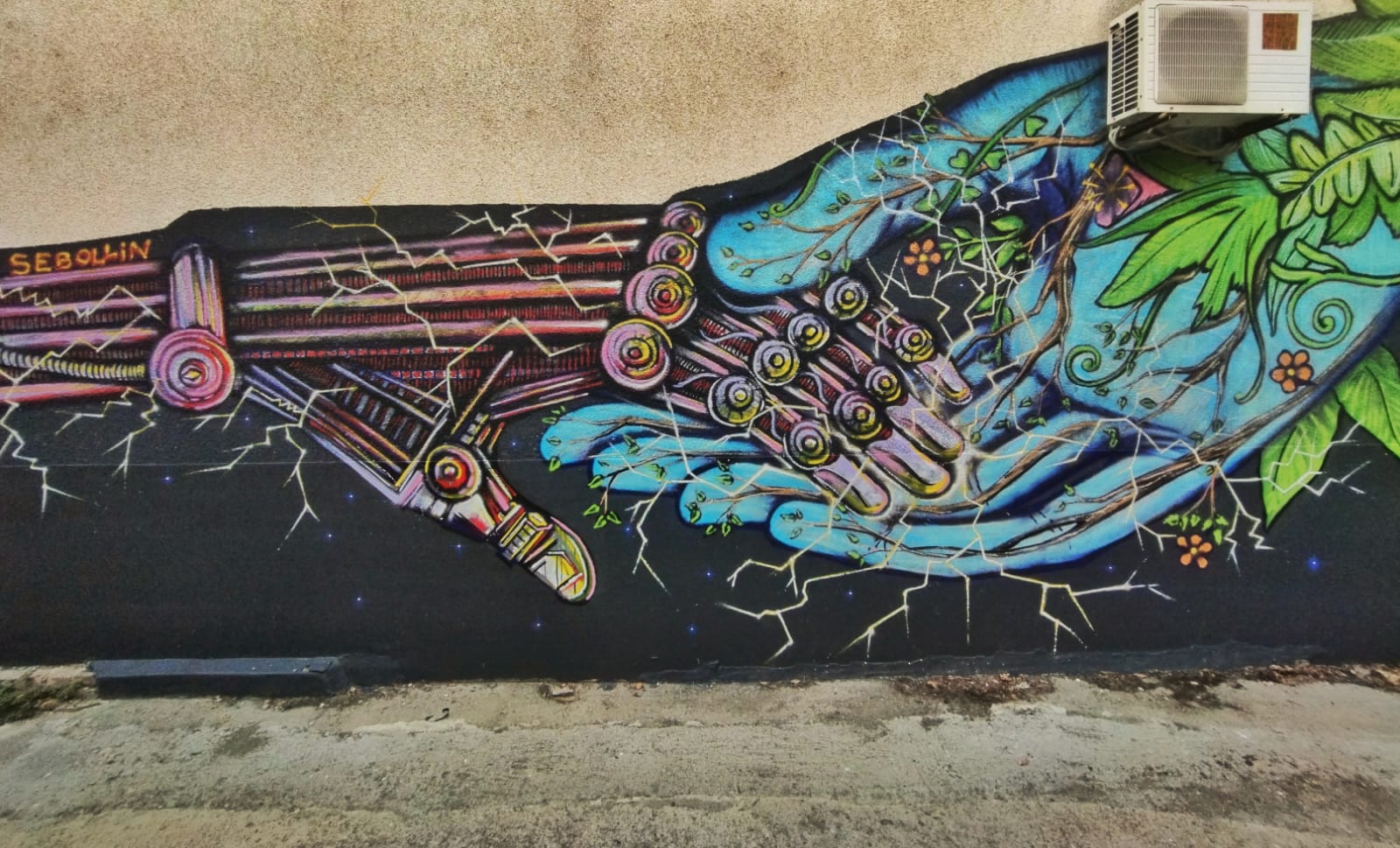
7. How did you find Belgrade? Did the city inspire your work?
I came to Belgrade after previously speaking with people from the city and feeling curious to learn about its environment and characteristics—walking the streets, observing what’s happening, and trying to understand more through conversations with people I met.
It was just a glimpse, but I already have a basic impression. Perhaps another time I can return and learn more. I noticed many war machines displayed throughout the city, which became an important source of inspiration for the mural.
8. Finally, could you share three of your favorite street art cities around the world?
I don’t have favorites or rankings of best and worst cities. I can say that I was surprised in every country I visited. There is always something to discover—you just have to be attentive and willing to analyze.
Each area or city has its own particularities, and you can see how discourses, themes, and techniques adapt to reflect what’s happening locally.
Writer. Blogger. Traveler. Researcher. Electronic Music Lover.